Understanding your treatment
COPD is currently incurable, but fortunately there are many ways to reduce symptoms and improve your quality of life. Treatment is often a combination of different elements, tailored to your needs.
1 Inhalers / puffs
Inhalers are often the first medication prescribed to COPD sufferers. They work by relaxing the muscles surrounding the airways, making breathing easier.
They can:
- open the airways
- reduce lung inflammation
- help you feel less congested and cough less
It is important that you learn how to use the inhaler correctly. Your doctor or pharmacist can explain this to you.
2 Oxygen therapy
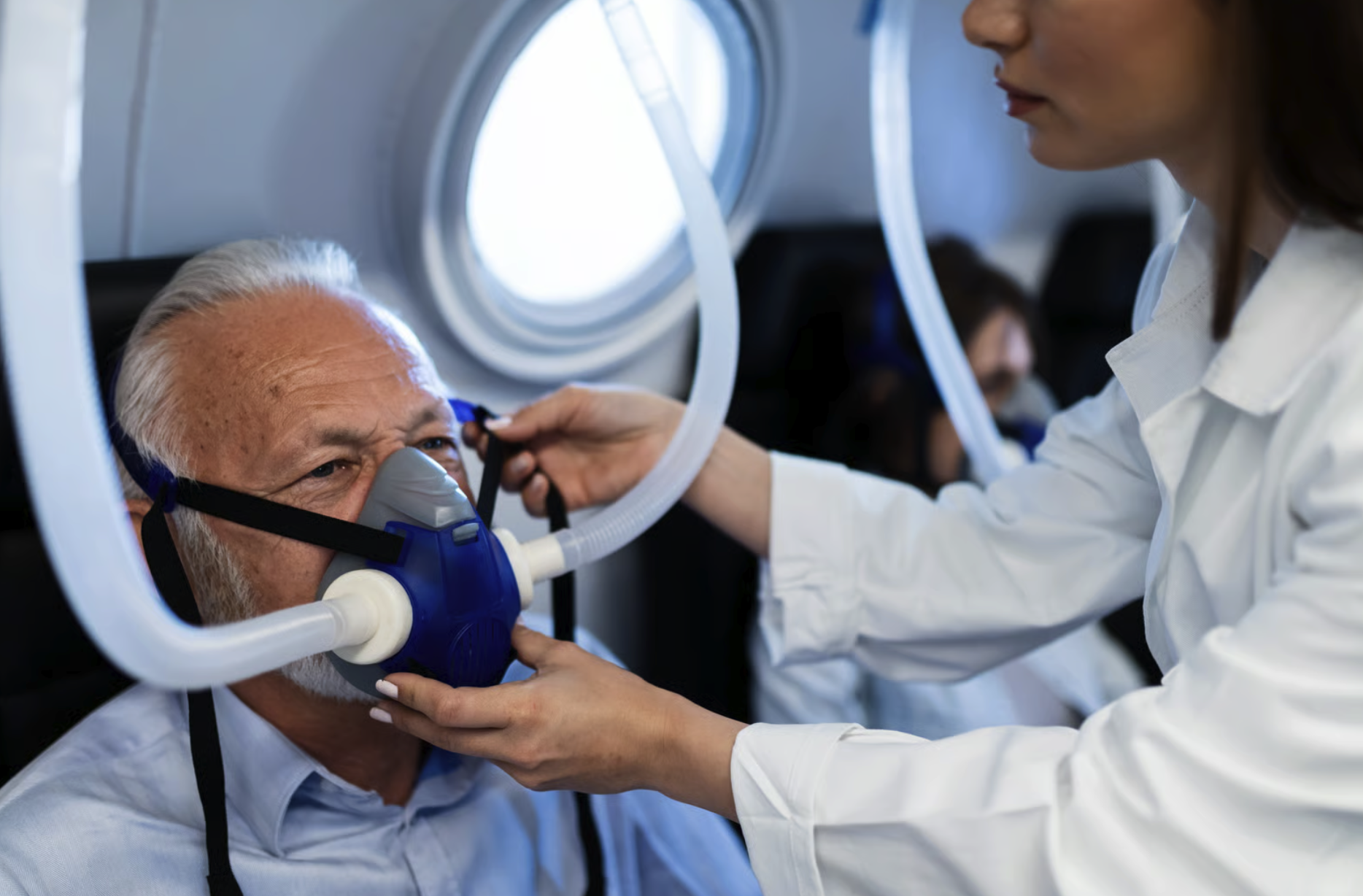
In severe COPD, your body may not be getting enough oxygen. In this case, supplemental oxygen may be necessary.
You'll receive oxygen through a tube in your nose, either at home or on the move. This will help you feel less tired and out of breath.
3 Pulmonary rehabilitation
This is a special program in which you learn to better manage your COPD. It usually includes:
- physiotherapy and physical exercise
- breathing techniques
- nutritional advice
- psychological counseling
Pulmonary rehabilitation can help you feel stronger and more confident in everyday life.
4 Help to stop smoking
Quitting smoking is the single most important thing you can do to prevent further damage to your lungs. There are several ways to stop smoking, including:
- support from a coach or medical assistant
- medications or nicotine substitutes
- online programs or support groups
You're not alone: there's plenty of help available.
5 Your personal treatment plan
Everyone's different, which is why your GP or pulmonologist will work with you to draw up a customized treatment plan. This plan takes into account:
- the intensity of your symptoms
- what's important to you in everyday life
- your needs and objectives
It's a good idea to check in regularly to see if the plan still suits you, and whether it needs to be adapted.
